



Real Madrid confirms UEFA's ban on Barcelona from competition



The ongoing tension between Real Madrid and Barcelona intensifies surrounding the "Negreira Case," with the Royal club convinced that UEFA will soon issue heavy sanctions, potentially altering the landscape of European football.
The prolonged conflict between the two giants of Spanish football is reaching its climax. Real Madrid is reportedly confident that UEFA will soon impose strict penalties on Barcelona related to the "Negreira Case." While legal proceedings in Spain continue to progress slowly, the Royal club believes European football's governing body is prepared to take decisive action in the near future.
Recently, Real Madrid has adopted an unprecedented hardline stance in its legal confrontation with its arch-rival. From maintaining organizational silence, the Santiago Bernabéu side has officially joined the lawsuit as an affected party. The case centers on controversial payments made by Barcelona to José María Enríquez Negreira, the former Vice President of the Spanish Referees' Technical Committee.
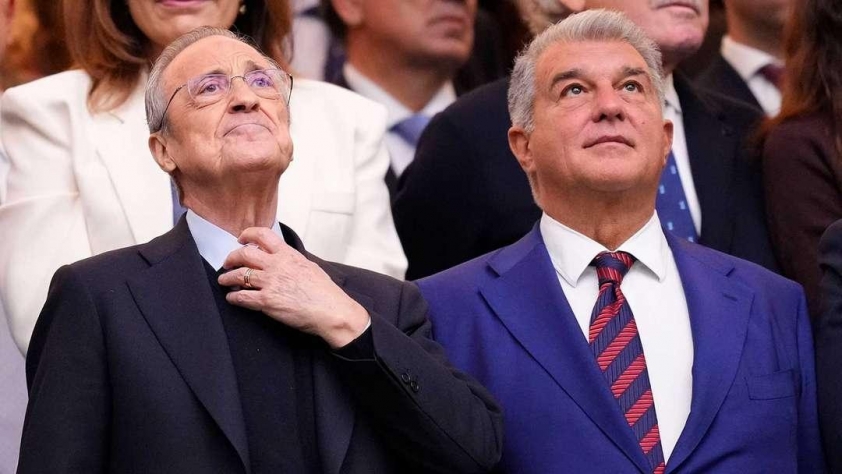
Real Madrid's leadership is closely monitoring the international developments of the investigation, as UEFA's potential intervention could significantly shift the dynamics of European competitions.
President Florentino Pérez has repeatedly publicly criticized Barcelona, while Real Madrid's lawyers have directly questioned Joan Laporta during testimony. Pérez emphasized this is one of the most serious scandals in Spanish football history, casting major doubt on the sport's integrity. At a recent members' meeting, he stated: "How can we forget the biggest scandal in history?" Although a request for related audit reports and financial documents was previously rejected by a judge, Real Madrid insists it will continue to pursue the matter to the end.
According to journalist Ramón Álvarez, Real Madrid's leadership believes UEFA will soon restart disciplinary proceedings and could impose heavy sanctions on Barcelona. Despite the body previously pausing the process, Madrid views this as only a temporary setback. Notably, Álvarez's analysis suggests a final criminal verdict is not a prerequisite for UEFA to issue penalties.
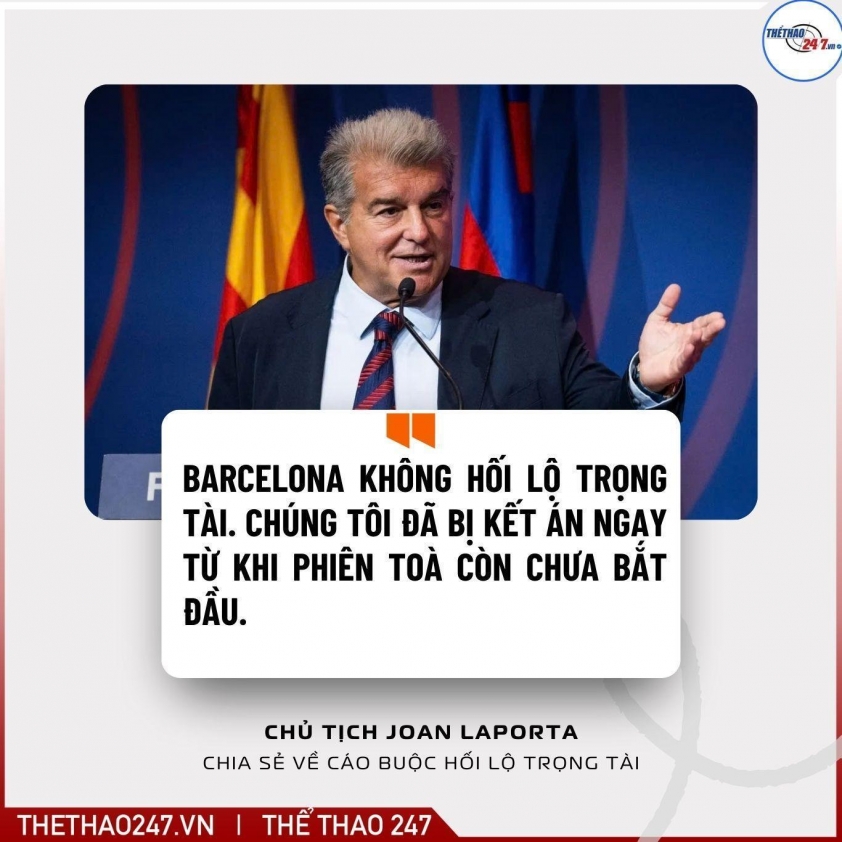
Under the organization's statutes, even the intent to influence match outcomes is sufficient grounds for a ban. Barcelona does not deny the payments but claims the funds were solely for technical reports related to refereeing.
The risk for Barcelona is immense. UEFA has the authority to impose player registration bans and exclude the club from European competitions for periods ranging from one to ten years. A prolonged ban in the Champions League would deal a heavy blow to the financially fragile Catalan club, particularly affecting television rights revenue and sponsorship income.
Notably, Barcelona is recently reported to have improved relations with UEFA and the European Club Association, while gradually distancing itself from the Super League project. Meanwhile, Real Madrid remains the primary driving force behind this breakaway league. No official decision has been announced yet, but according to multiple sources, the Royal club believes that once UEFA formally resumes its investigation, Barcelona could face landmark penalties on the continental stage.


Wonderfulshortvideo
Kvaratskhelia and Ronaldo 🫶


🇪🇸 Spain 🆚 Argentina 🇦🇷
When Diogo Costa saved EVERY penalty he faced in the shoot-out 🤯🤯🤯
The movement is electric ⚡️
Never gives up 💪
Things you really love to see
Ahead of his 100th cap, Sir Keir Starmer had this message for Maro Itoje…
 Links
Links
 Contact
Address:123
Number:+123
E-mali:i123@gmail.com
 App
App