



Zion set to return against Lakers tomorrow! Confident this is the healthiest state of his career: The toughest criticism is being told he doesn't care.



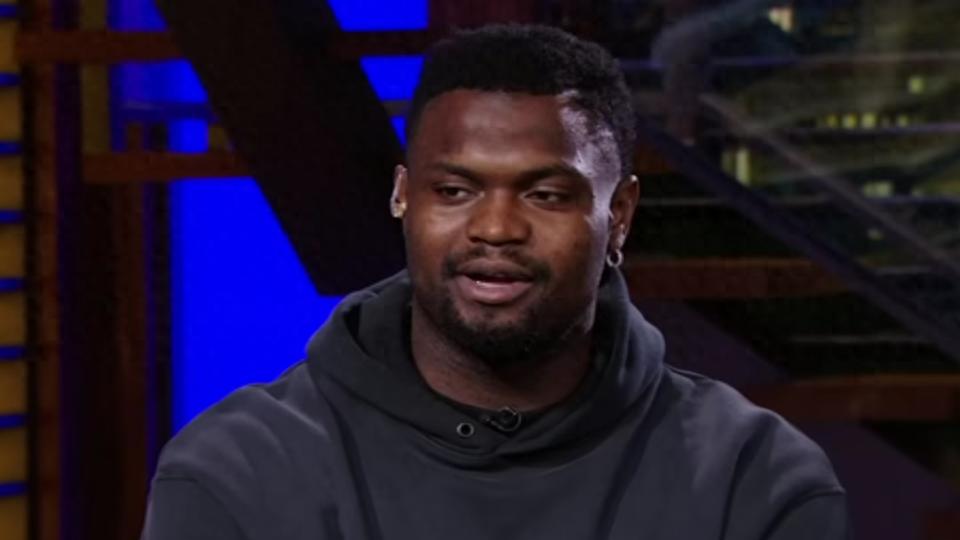
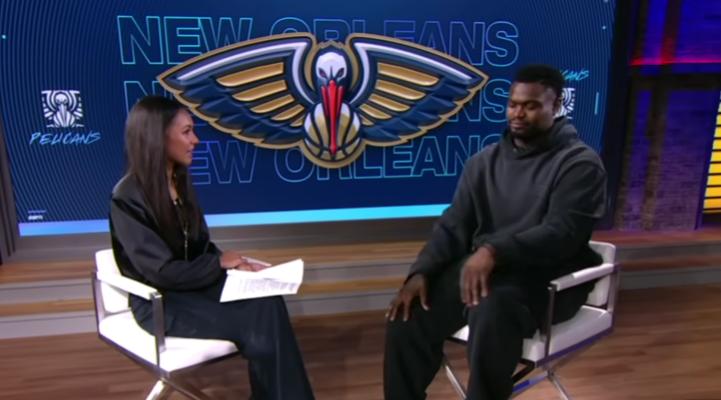
On March 3, Beijing time, Zion was interviewed by ESPN host Andrews, discussing his health condition and daily training routine. He indicated his plan is to make his comeback in tomorrow's matchup with the Lakers.
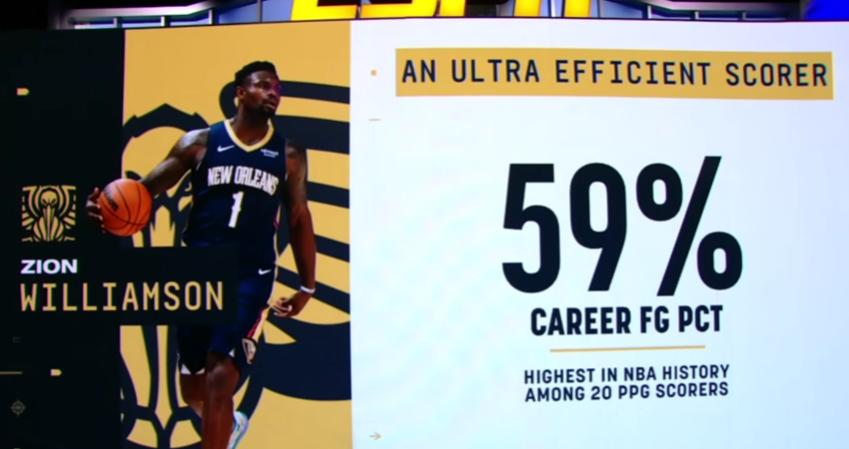
In NBA history, 85 players have achieved a career scoring average of 20+ points per game, and Zion's 59% field goal percentage ranks highest among this group. Indeed, this places him above dominant big men such as O'Neal, Jokic, and Abdul-Jabbar. Before missing the game against the Clippers, Zion had played in 35 consecutive games, marking the longest streak of his professional career.
"I'm genuinely very happy right now. Waking up every day knowing I can play in NBA games without hesitation, without worrying about injuries or similar issues, because my trainer and I have put in so much consistent work," Zion said. "I believe this is the healthiest I've been in my career so far. I'm not just saying this in terms of athletic ability, but also because I can now play over 30 minutes every night without fear of getting hurt afterward.My movement is fluid now, I feel completely unrestricted."
Zion recently switched to a new trainer. "It's about consistently doing all the little things right. We do treatment every day, focusing on the details. This is a big reason why I say I feel unrestricted — my body is agile, my muscles aren't tight, everything feels loose. Sometimes when I get subbed out, I look at the coach and think: Do I really have to come out now? I feel that's when I know I'm enjoying the game, because I don't want to leave the court. There are many times I truly don't want to be substituted because I'm not tired at all; it feels too good being out there."
Throughout his career, Zion has faced much criticism regarding his play, availability, weight, physique... So what criticism has been the hardest for him to accept?
"Being in this position has its pros and cons. Criticism comes with the territory. Butwhat hurts the most is when people say I don't care," Zion responded. "I care deeply, I really, really care. When you can't play and have to sit on the sidelines, it hurts me more than it hurts those criticizing me, because I don't want to be a spectator — I want to be on the court playing. This has also become part of my self-reflection: Have I done enough? Am I truly doing what I should be doing? It has significantly impacted my mindset, but it has also helped me grow as a professional. So looking back, it's perhaps a blessing in disguise. I just try to stay positive."


Wonderfulshortvideo
This Wemby and Ant interaction 🎙️


Welcome to 'The Winning Formula' series where we break down winning combinations in the NBA all season long presented by Castrol.
User ChampionChatter has posted a video.
ART BY KYRIE
The biggest hoops stars from around the globe 🌎
ART😨💯
User ScoreStream has posted a video.
 Links
Links
 Contact
Address:123
Number:+123
E-mali:i123@gmail.com
 App
App